

As I predicted last week, the answer to how Michigan House Speaker Matt Hall would pay for his property tax cuts is a sales tax increase. This week, he proposed extending the 6% sales tax to certain “discretionary” services. Technically, an extension of the use tax, he estimates it will raise $4.7 billion to offset $5 billion in property tax cuts, thus remaining a net tax cut overall. Currently, Michigan primarily taxes the consumption of goods and not services.
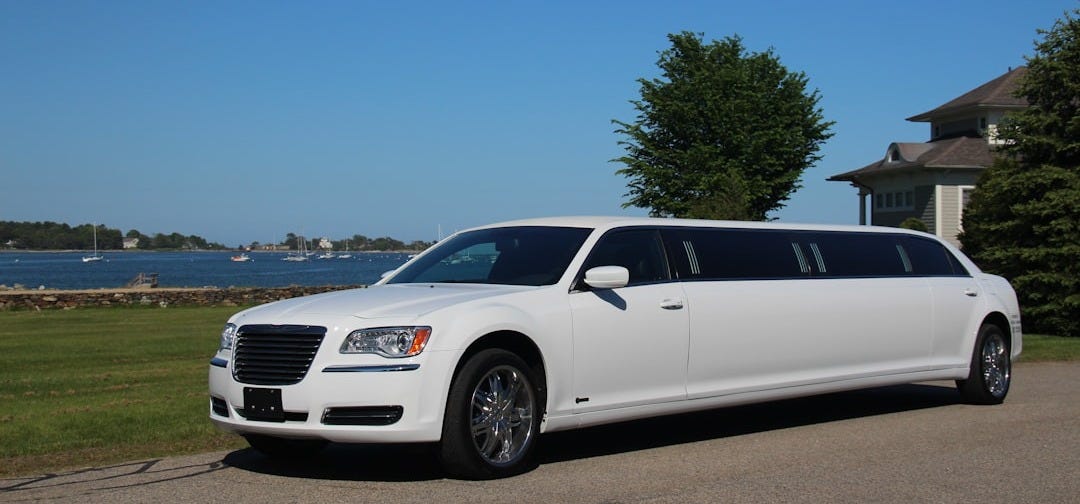
Speaker Hall would tax only services he argues are utilized more by higher income residents and visitors like “limousines, country club memberships, private jets, marinas, tourist services, travel agencies, skiing, golf, eye services, newspaper publishing, performing arts, environmental consulting and political ads.” He would not include services used more broadly like “nail salons, barbers, landscaping, health care services, car repairs, child care, veterinary services, dry cleaning, and streaming services.”
We still need to see the details, but if his revenue estimates check out, his proposal would be a fairly responsible tax restructuring plan with a populist twist. Cut some property taxes, replace them by broadening the consumption tax base. There is no good economic reason to tax goods and not services, and many states do to some extent. The economy has shifted substantially from goods to services over many decades. Next up, lobbyists representing affected service industries will descend upon the State Capitol seeking to stay on the exempt list. Every extra exemption reduces the revenue haul.
Taxing services is not a new idea
If this feels like a rerun to you, that’s because it is! Since the dawn of the 21st Century, Michigan has debated extending the sales tax to services at least twice:
In early 2007, Governor Granholm proposed a 2% tax on certain services to offset the repeal of the Single Business Tax and deal with a budget deficit. By October 2007, the State enacted legislation to instead extend the 6% use tax to a narrower list of services. Two months later, the State repealed the new services tax just as it was taking effect.
Three years later, in 2010, Governor Granholm again proposed taxing certain services and reducing the overall sales and use tax rate from 6% to 5.5%. Her proposal was not enacted.
How do you start taxing services?
The Michigan Constitution limits sales and use taxes, but statute governs how use tax is applied to services. Like it did in 2007, the Legislature can amend the Use Tax Act to apply the 6% tax to certain services within the limits of the state constitution. It does not require a constitutional amendment or a ballot question. Currently, one-third of the use tax is constitutionally dedicated to the School Aid Fund (SAF), and the remaining two-thirds goes to the General Fund. Most of Speaker Hall’s property tax cuts would reduce SAF revenue. It would also impact local property taxes. There should be enough room here to rewire the flow of funds so that the new tax on services can backfill all the right places. Unfortunately for cities, villages, and townships, there is no constitutional revenue sharing boost here because it only applies to the sales tax on goods.
Speaker Hall echoed this by saying his overall plan would not require a ballot proposal. However, his idea to eliminate the “pop-up tax” from taxable value uncapping when property is sold may require a constitutional amendment. The state constitution caps taxable value growth at the inflation rate “until ownership of the parcel of property is transferred.” It continues, “When ownership of the parcel of property is transferred as defined by law, the parcel shall be assessed at the applicable proportion of current true cash value.” It may be possible to eliminate the “pop-up tax” by broadly changing how “transfer of ownership” is defined or how “applicable proportion” is applied in the General Property Tax Act. Currently, there are a narrow set of ownership changes that are exempted this way. We’ll leave that to the lawyers.
All that said, I suspect Speaker Hall will later take the “pop-up tax” elimination idea off the table. He hasn’t quantified the cost yet. His services tax solution doesn’t pay for it. The impact would vary substantially each year by local unit. It would be complicated to administer the local replacement revenue in perpetuity. As I argued last week, it would also double down on a tax regime that already has horizontal equity problems.
Bottom Line: Speaker Hall’s tax reform proposal has merit. Based on last year’s road funding debate, I completely expected him to double down on spending cuts to pay for property tax relief, at least to start. His plan, if the revenue estimates check out, would responsibly restructure Michigan taxation. Reduce property taxes, and replace them with new consumption taxes. He’s also added a populist twist by going after what he argues are luxury services. However, the biggest risk in his proposal will be the lobbying frenzy as affected service industries aim to stay exempt, which would reduce the replacement revenue. Fill your popcorn bucket. Let the great tax debate begin!